
Target zones
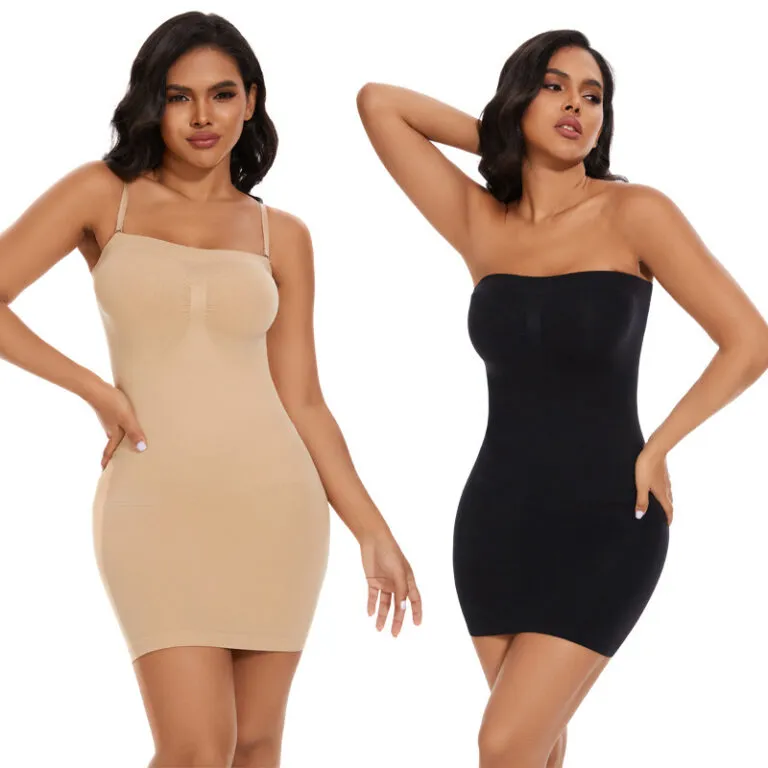
Mark tummy, waist, back, thigh, bust, seat and leg areas with the intended control direction.
Fit engineering
Light, medium and firm are useful design language, not medical pressure ratings. Shapewear compression is developed through material, pattern, panel placement, measurements and the approved fit standard.
01 / Decision file
A single “compression level” cannot explain a garment with different panels, edges and openings.
Mark tummy, waist, back, thigh, bust, seat and leg areas with the intended control direction.
Identify areas that need stretch, breathability, comfort or movement clearance.
Plan how the garment moves between zones without hard lines, twisting or edge lift.
02 / Prove it on the body and garment
Material tests support development, but the fit model and wear review determine whether the intended experience is credible.
Check the selected material direction and the garment’s response after repeated movement.
Review the target body range, not one isolated model, and record the reference size.
Note pressure points, roll-down, edge comfort, breathing, sitting and movement.
03 / Keep claims in scope
Compression language can create regulatory and advertising risk when it implies treatment or a measured medical effect.
Describe fit, coverage, smoothing and shaping as garment functions.
Do not claim therapeutic pressure, post-surgical recovery or treatment unless the product and evidence support the exact market claim.
Record the final claim language with the buyer and market owner.
Questions / short answers
A starting direction can be proposed, but the wearing experience must be reviewed on a fit model and approved sample.
No. Tightness alone can create pressure points without the intended shaping or recovery behaviour.
That wording can imply a medical or therapeutic claim. The product purpose and market language need specific review before publication.
Next / related files
Project review
Send the garment, control zones and target fit model for a sample-based development review.