
Silhouette and coverage
Adjust rise, neckline, leg opening, torso length, straps and panel shape.
ODM development
ODM begins with a reference construction and adapts it for the buyer’s market. The reference is a development starting point, not a ready-stock promise; fabric, fit, branding and commercial availability must be confirmed.
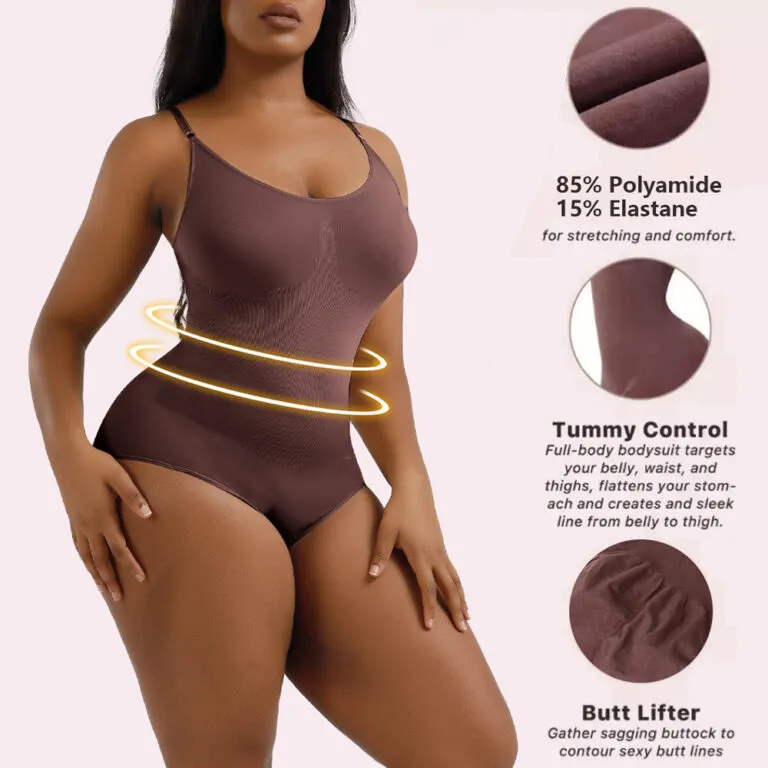
01 / Decision file
A change that looks cosmetic can still affect stretch, support, edge stability or grading.
Adjust rise, neckline, leg opening, torso length, straps and panel shape.
Change fabric, lining, mesh weight or trim route only after checking behaviour on the finished garment.
Apply woven labels, heat transfer, tags, barcodes and retail packing for the buyer’s channel.
02 / Rights and availability
A reference image does not establish exclusivity or unrestricted availability. These points belong in the commercial review.
Clarify whether the reference construction is open for adaptation or subject to buyer-specific ownership.
Any exclusivity period, market or size range should be written into the agreement.
Material, pattern, sample and approval work should be quoted separately where the scope changes.
03 / Sampling path
The revised garment needs its own approved pattern, BOM, label set and production sample.
Document the starting construction and the intended differences.
Check the revised control zones and measurements across the target size curve.
Freeze the approved sample, materials and packing before bulk release.
Questions / short answers
No. Exclusivity must be agreed separately and documented.
Yes, but the revised material should be rechecked for fit, recovery, opacity and edge stability.
Yes. Artwork, wording, barcode and packing requirements should be approved before production.
Next / related files
Project review
Send the image, intended changes, market and quantity so the adaptation and sample scope can be reviewed.