
Prototype
Test pattern shape, panel layout, closure, edge finish and major material choices.
Sampling
A sample is useful only when it answers a defined question. The development route separates construction, fit, grading and production approval so each round has a clear purpose.
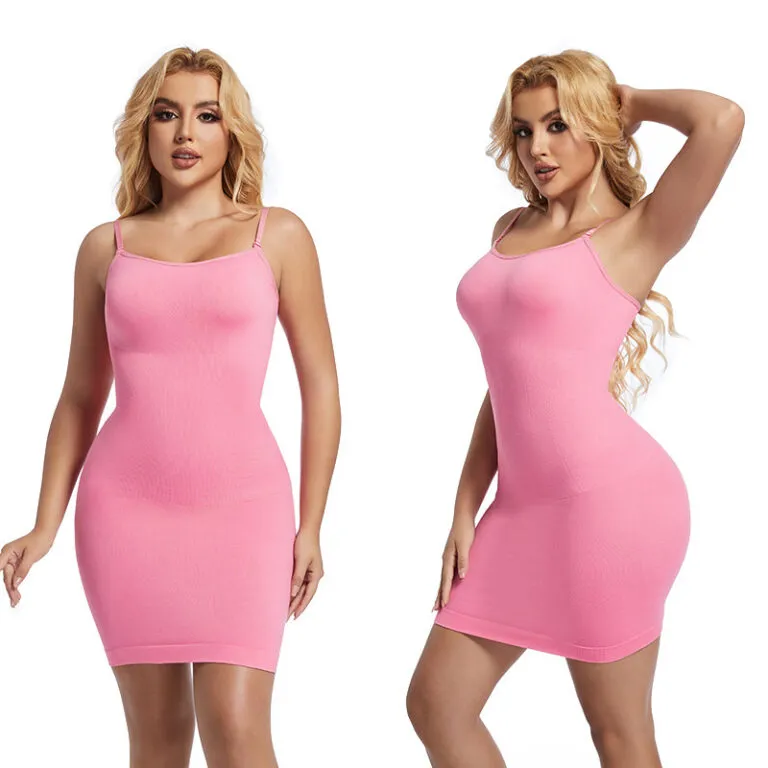
01 / Decision file
Not every round needs a full size set, but every round needs a written purpose and response.
Test pattern shape, panel layout, closure, edge finish and major material choices.
Review measurements, comfort, movement, stretch recovery and the reference fit model.
Represent the approved materials, trims, labels, measurements and packing route for bulk.
02 / Fit review
A useful sample comment identifies the location, direction and consequence of the issue.
Record POM changes against the specification and the size being reviewed.
Note roll-down, edge lift, pressure points, twisting, transparency and recovery after movement.
Mark each issue as approved, revise, retest or reject with the owner and due date.
03 / Freeze the standard
The production team needs the exact sample, swatches, measurement sheet and label set that define the order.
Keep the approved garment, fabric swatch, trim card and approved artwork together.
Record the sample round, date, pattern version, material and changes.
Confirm that production matches the approved sample and that any deviation has written approval.
Questions / short answers
It depends on the starting point and the number of unresolved construction or fit issues. The scope should be agreed before sampling.
Photos can support a review but cannot fully confirm fit, recovery, comfort or edge behaviour.
A size set checks the graded measurements and fit across the intended size curve. It is separate from a single reference-size sample.
Next / related files
Project review
Send the reference, size range and fit intent. The sampling scope will be defined around the decisions that still need evidence.