
Product and market brief
Garment type, intended use, target market, estimated quantity, size range, reference style and any known material or construction requirements.
Development process
Each stage should produce a clear decision, a documented input and a written output your team can review. The objective is a repeatable production reference, not a sample that only looks right in a photo.
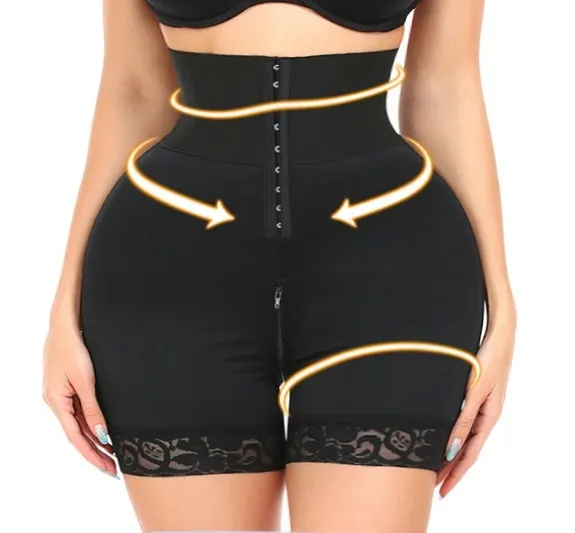
01 / Project inputs
A reference image is useful, but the first review needs enough product and commercial context to identify the practical development route.
Garment type, intended use, target market, estimated quantity, size range, reference style and any known material or construction requirements.
Tech pack, sketch, existing sample, measurement sheet, fabric reference, label example, packaging direction and required test or compliance documents.
02 / Stage gates
Sample comments, material changes and production details need a versioned reference so the approved garment can be repeated.
Clarify intended use, target market, style, quantity and the information still missing.
Output: feasibility questionsReview construction, measurements, fabric, trims, closure and sample scope.
Output: sample planReview fit, control, edge comfort, finishing and workmanship against the brief.
Output: sample commentsFreeze the pattern, measurements, materials, labels, packing and approved sample.
Output: production specificationPlan production and packing against the approved reference and agreed quality standard.
Output: inspected shipment03 / Change control
A repeated shapewear program depends on controlling fabric, pattern, measurement, closure and packaging changes. When a material or component is changed, the effect on fit, appearance and testing scope should be reviewed before the change enters production.
The approved sample and written specification should remain the shared reference between the buyer and the factory.
Send the garment, target market, quantity range and any existing technical documents.